I'm not good at thinking up blog material, but I read a how-to guide for authors that suggested I should trace the development of my writing career in my blog. I like that idea, because I have lots to write about there.
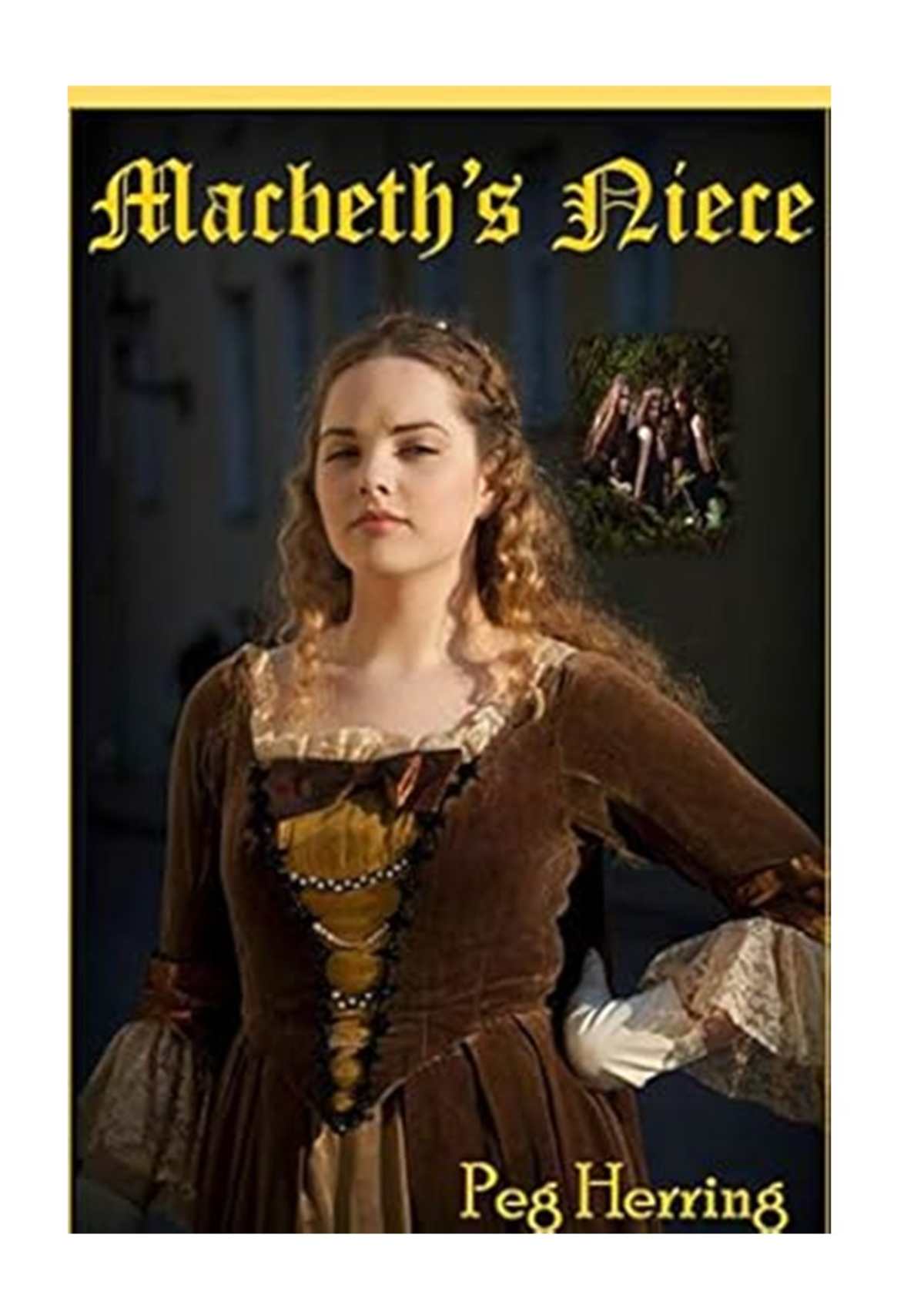
My first book, Macbeth's Niece, was inspired by my years of teaching Shakespeare's Macbeth. It took 6 years to become a book. I worked on it for two years while teaching school, directing plays, and conducting choirs. When I thought it was perfect (Little did I know!), I started sending query letters to literary agents. For those who don't know, back in the Stone Age of the internet (It was written with a capital I back then), we sent actual letters to agents, on stationery paper, signed in black ink, and accompanied by a SASE (self-enclosed, stamped envelope) so they could easily send back a reply.
I sent out letters for two years. Often my SASEs came back with my letter inside and "No" written at the top. (If the agent was young or just nice, it might be "No thanks.") Then one day I got my letter back with a sentence scribbled at the bottom. My husband and I puzzled out the handwriting and thought it said the book wasn't long enough. I did some research and found that there were length guidelines for historical romance, and I was a few thousand words short. I did some research, added a section with a visit to a crannog to make the word count right, and resent the book to that agent, though she hadn't said to do that. I was learning one has to be assertive in the world of publishing.
The agent accepted the book, we signed a contract, and for two years, she shopped it. She passed on publishers' letters of rejection, which were sometimes encouraging, often distressing. One said it was historical adventure, not romance, which told me I was probably never going to be a romance writer. Most said it was good but not what they were looking for. Then one said, "Yes."
That's when I learned that good wasn't good enough. Over the next two years, editor after editor made suggestions for improvement, and I worked to make them happy. They sent me a cover. I said the castle was way too new for Macbeth's time. They said I shouldn't worry about things like that. Finally we had a book, which was well-reviewed by most major sources at the time, including Kirkus and The Historical Novel Society. Sales were good too, though I found that the big money I imagined an author getting, both the advance and the sales percentages, is reserved for the top 1%. The rest of us get peanuts.
Macbeth's Niece: Tessa macFinlaech is sent from her mountain home to live with her uncle, Thane Macbeth. Her mother's intention is that Tessa will become more obedient and perhaps find a husband. At Macbeth's castle she meets Jeffrey, an Englishman who is, she discovers, a spy. He forces her to return to England with him so she can't tell her uncle what she knows. Tessa's adventures with Jeffrey and her struggle to return home are woven into the story of Macbeth's rise and fall as king of Scotland. It's free as an e-book here: https://books2read.com/u/m0xYdY